

Patients searching online are often minutes away from making a decision. Google Ads for healthcare can place your clinic in front of these high-intent patients and generate qualified traffic within 24–48 hours. This immediacy makes paid search one of the most effective channels within a broader healthcare patient acquisition strategy, especially for clinics looking to capture demand at the exact moment patients are ready to act. Indian clinics, hospitals, and medical practices increasingly rely on this speed.
Google Ads for doctors can start generating calls and form submissions within days. At the same time, most healthcare PPC campaigns begin producing actionable data within two to four weeks. Compared to other channels, paid search consistently delivers one of the highest returns on investment, making patient acquisition through Google Ads a scalable and measurable growth driver.
This guide will show you how to build, optimise, and scale Google Ads campaigns for medical practices that attract ready-to-book patients quickly and efficiently.

Key Takeaways
Google Ads for healthcare can transform patient acquisition by placing your practice in front of high-intent patients exactly when they’re searching for medical services.
- Start generating patients within 24-48 hours – Unlike SEO, which takes months, Google Ads delivers immediate visibility and patient calls for healthcare practices.
- Target high-intent keywords like “treatment,” “cost,” and “near me” – These bottom-funnel terms attract patients ready to book appointments, not just research.
- Structure campaigns by medical speciality – Separate ad groups for each service line improves targeting precision and budget control for better ROI.
- Track phone calls as primary conversions – 60-80% of healthcare bookings happen via phone, making call tracking essential for measuring true campaign success.
- Maintain strict HIPAA compliance – Never use protected health information in ads or tracking, and ensure all medical claims are substantiated with credible evidence.
- Scale gradually with proven performance – Increase budgets by 10-20% only after campaigns consistently hit KPIs for 30-60 days to maintain cost efficiency.
Healthcare practices typically see 3-8% conversion rates from click to appointment, with primary care patient acquisition costs ranging from ₹12,657 to ₹33,752. The key is starting with compliant, conversion-focused campaigns that address real patient pain points while building trust through credentials and clear calls-to-action.
Understanding Google Ads for Healthcare Providers and Patient Intent
What Makes Healthcare Google Ads Different from Other Industries
Healthcare advertising operates under constraints that other industries face less often. Google Ads apply strict compliance requirements to healthcare-related advertising that can make or break your campaigns. Google restricts the promotion of prescription drugs, recovery-oriented addiction services, and health insurance coverage. You need certification before you can advertise these services. More than that, Google often disapproves of ads using specific wording like “drugs” or “birth control.” Healthcare marketers must craft ad copy that complies with platform policies while remaining effective.
Healthcare marketing must balance patient care and ethics with performance metrics, unlike retail or technology sectors. You cannot use aggressive targeting techniques or retargeting based on browsing habits due to HIPAA and privacy regulations. This means your healthcare Google ads strategy relies more on intent-based keyword targeting rather than behavioural data collection. The stakes are higher. Mistakes in healthcare advertising can damage your reputation or compromise patient trust, not just result in poor campaign performance.
How High-Intent Keywords Drive Ready-to-Book Patients
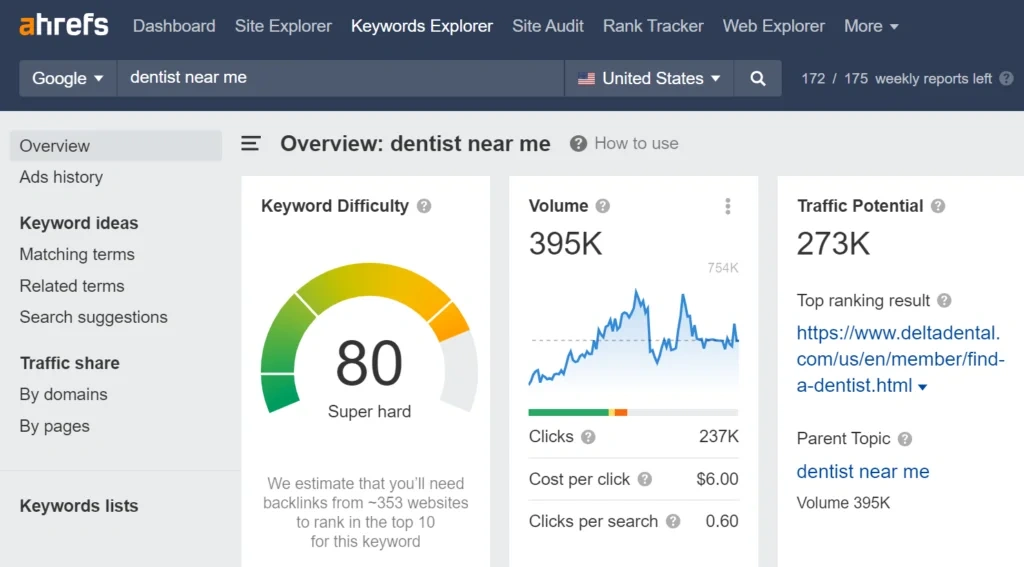
Google receives approximately 373 times more searches than ChatGPT, and 5% of all Google searches are health-related. Patients searching for healthcare services demonstrate action-oriented intent. When someone searches “cardiologist near me,” they want immediate access to provider listings, reviews, and contact information to book appointments. The same patient intent data that powers your healthcare SEO keyword research is what you use to build your paid keyword list, transactional and geo-modified terms work in both channels.
Using low-funnel terms like “treatment,” “cost,” “screening,” or “buy” helps target high-intent queries from patients ready to act rather than those conducting general research. Longer, multi-word keyword phrases attract higher-intent consumers at the bottom of the marketing funnel and give you a competitive edge. Fewer competitors target them. To name just one example, “chest pain diagnosis” or “atrial fibroblation treatment” taps into urgent patient concerns and connects search queries to specific medical services. Geo-targeted keywords such as “cardiologist in Mumbai” or “heart specialist near me” match patient intent and sharpen ad relevance. They drive higher click-through rates from individuals ready to book appointments. Running geo-targeted ads alongside a strong local SEO for healthcare clinics strategy gives you coverage in both the paid and organic local results simultaneously.
The Role of Google Ads in Your Overall Marketing Strategy
Google Ads for medical practices acts as your fast-track patient acquisition channel. Paid search delivers immediate results, unlike SEO, which builds long-term visibility but takes months to rank. Local SEO helps with map visibility and credibility, while social media increases brand awareness over time. Google Ads for healthcare providers puts your practice in front of patients when they’re ready to book. The average cost per click in Google Ads is ₹221.08 in the health and medical field. While higher than other platforms, patients clicking your ads demonstrate a strong intent to purchase. They are more likely to complete appointment request forms or call your clinic.
Building Your Healthcare Google Ads Campaign from Scratch
Selecting Your Campaign Objectives and Service Focus
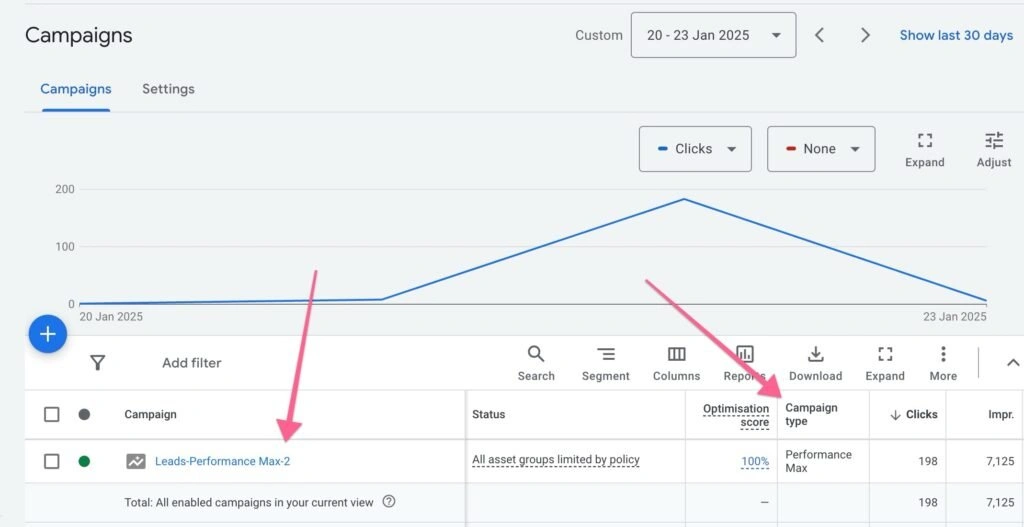
Campaign structure determines performance before you write a single ad. You should organise your healthcare PPC campaigns around service lines rather than creating one campaign for everything. A multi-speciality practice might separate campaigns for primary care, dermatology, and orthopaedics. A single-speciality clinic could segment by service type, such as routine visits, specific procedures, and urgent care. You need to define conversion goals that match reality: calls, appointment bookings, and form submissions. Patient growth requires conversion tracking so that vague traffic-only goals won’t work.
Choosing Between Search Ads, Local Service Ads, and Call-Only Campaigns
Most of your advertising budget should go to search ads at first. These text ads appear when patients search Google for healthcare providers and position your practice at the top of the results. Local Service Ads operate on a pay-per-lead basis. You incur costs only when prospective patients initiate contact through the ad. These ads occupy prime position at the top of search results with a Google Guaranteed badge that builds trust right away. Call-only ads focus on generating phone calls and appear on mobile devices only. The phone dialer launches with your number ready to dial when users click these ads. This format works well for urgent care or same-day appointments.
Creating Targeted Ad Groups by Medical Speciality
You can control spend and improve targeting precision by segmenting beyond the campaign level. Separate ad groups by medical speciality to ensure relevant messaging. This structure allows for better budget control for high-priority services and clearer performance analysis by service line. Dominating one service line produces better results than barely showing up for five, so don’t spread your budget too thin across too many campaigns.
Setting Daily Budgets and Cost-Per-Click Expectations
Small clinics can start with ₹84,380 to ₹2,53,141 monthly and target 20 to 50 leads. Mid-size practices allocate ₹2,53,141 to ₹8,43,805 for 50 to 150 leads. CPC ranges vary by speciality: cosmetic services run ₹1,246 to ₹4,985, behavioural health ₹415 to ₹2,077, and dermatology ₹498 to ₹2,077.
Creating Compelling Ads and Patient-Focused Landing Pages
Writing Headlines That Address Patient Pain Points
Google’s Responsive Search Ads perform best when you provide variety across headline types. Write five keyword-based headlines like “Chronic Back Pain Treatment,” five CTA-focused headlines such as “Schedule an Appointment Today,” and five benefit-driven headlines like “Board-Certified Specialists Near You”. Focus on patient benefits rather than clinical terminology. Rather than “lumbar discectomy,” use “Relieve Lower Back Pain Without Major Surgery”. Incorporate search terms into your headlines to improve quality scores and ad relevance. Avoid unverified medical claims or guarantees like “Permanent Cure.” These violate Google Ads policies and trigger disapprovals. our ad is only the first step healthcare conversion optimisation determines what happens after the click, and a poorly designed landing page will waste every rupee you spend.
Including Trust Elements and Clear Calls-to-Action
Strong CTAs tell patients exactly what action to take: “Book Your Consultation,” “Get a Diagnosis Today,” or “Call Now to Speak With a Specialist”. Repeat these throughout your landing page at the top, middle and bottom sections. Display patient testimonials and 5-star ratings as social proof. Ensure HIPAA compliance by never including identifiable patient information without consent. Include professional credentials, certifications and licenses to build cognitive trust. Show insurance acceptance up front, as this represents a top decision-making factor for patients.
Ensuring Mobile Optimisation for Healthcare Searches
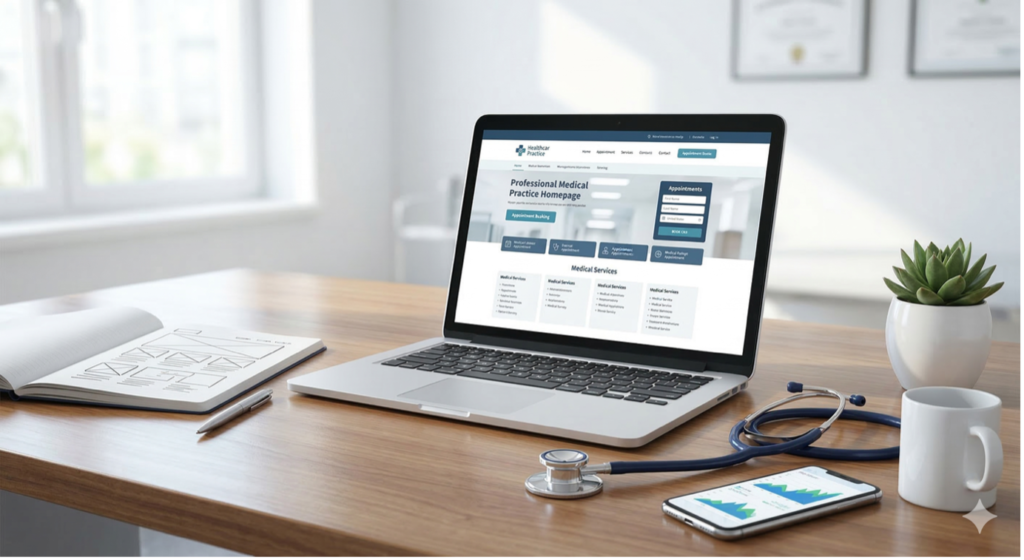
Over 50% of healthcare traffic originates from mobile devices. Google recommends page load times under three seconds. Compress images, enable browser caching and minimise JavaScript to achieve this standard. Structure content with short paragraphs, bullet points and clear headings to read on mobile. Every additional second of load time reduces conversions by up to 20%. Your mobile landing page must mirror the call-to-action in your ad text. It should provide a clear path to complete that action, whether scheduling an appointment or submitting a contact form.
Maintaining HIPAA Compliance and Google Ad Policies
Google will not sign a Business Associate Agreement. This makes you responsible for HIPAA compliance. Never use protected health information in ads, landing pages or tracking mechanisms. Avoid collecting PHI through Google Analytics, Tag Manager or retargeting campaigns. Medical practices must prove all medical claims with credible evidence and avoid absolute statements about treatment effectiveness. Google restricts advertising for health insurance coverage. You need certification before you can promote these services. Healthcare advertisers must apply separately for each geographic location they target. Ensure your website content aligns with advertising policies, as Google reviews your entire landing page when reviewing ad eligibility.
Measuring Success and Scaling Your Healthcare PPC Strategy

Tracking Phone Calls, Form Submissions, and Bookings
Accurate conversion tracking determines whether your healthcare PPC campaigns generate real patients or just website visitors. Most bookings happen over the phone for Indian medical practices, meaning phone call tracking captures 60-80% of conversion data. You need to set up conversion tracking for appointment bookings through online forms, phone calls from ads, contact form submissions, chat inquiries and direction requests. Website call conversion tracking monitors calls that last longer than a minimum duration you define and filters shorter calls that don’t include valuable patient interactions. Healthcare Google Ads convert at 3-8% from click to appointment scheduling. Urgent care achieves higher rates of 6-12% while elective procedures convert at 2-5%.
Analysing Cost Per Conversion and Return on Ad Spend
Primary care practices in India achieve patient acquisition costs of ₹12,657 to ₹33,752 through Google Ads for healthcare providers. Speciality practices experience acquisition costs of ₹25,314 to ₹67,504, justified by higher patient lifetime value. Phone calls as conversions cost ₹4,050 to ₹7,594 with conversion rates of 10-18%. Web form submissions cost ₹2,953 to ₹6,750 with 6-12% conversion rates. A strong return on ad spend for medical practices ranges from 3 to 5 times your investment, meaning ₹253 to ₹422 returned for every ₹84 spent. You should track cost per conversion, conversion rate, click-through rate and phone call duration to assess campaign profitability.
Optimising Ad Schedule Based on Patient Search Patterns
Ad scheduling controls when your healthcare advertising Google ads appear and ensures budget allocation during high-conversion periods. Mental health searches peak between 8 PM and 11 PM on weeknights when patients have privacy. Skin care and chiropractic searches peak on weekday mornings and weekend afternoons. Heart and eye care searches are strongest during weekday work hours. Pull booking data by hour and day from Google Ads reports, then raise bids by 15-25% during best-performing windows. One mental health clinic found 36% of ad spend occurred between midnight and 6 AM, producing zero bookings. Pausing ads during those hours and reallocating budget to 7 AM-10 PM increased monthly bookings by 44% with no extra spending.
When to Scale Budget and Expand to New Services
Scale your patient acquisition Google Ads budget when campaigns hit desired KPIs for 30 to 60 days. Increase budget by 10-20% at a time rather than making dramatic changes, as sudden increases disrupt Google’s algorithm and raise costs in unpredictable ways. Monitor impression share; if you’re losing visibility due to budget constraints rather than bid strategy, increasing spend improves ad appearance. The average advertising spend for Indian medical practices is ₹1,15,686 monthly. Effective healthcare PPC campaigns require minimum monthly budgets of ₹2,53,141 to ₹6,75,044 for primary care practices to generate adequate optimisation data. Speciality practices need ₹4,21,902 to ₹12,65,707 to compete in higher-cost keyword markets.
Working with a Google Ads Agency for Healthcare
Healthcare marketing agencies bring specialised expertise in medical Google ads strategy, compliance requirements and conversion optimisation. Agencies set up tracking systems to monitor lead generation and give an explanation of campaign performance for continuous improvement. They track form fills, calls, WhatsApp chats and bookings while monitoring cost per lead to refine campaigns for the highest ROI. A professional Google Ads agency for healthcare services saves time through constant monitoring, adjustments and analysis, allowing you to focus on patient care. Agencies use advanced tools for keyword research, competitor analysis and performance tracking while developing tailored strategies that align with your speciality and patient demographics.
Conclusion
Right now, you have everything you need to launch Google Ads campaigns that attract high-intent patients to your clinic within days. Google Ads for healthcare delivers faster results than any other channel in the digital world. Indian medical practices that want to grow fast need this. Compliance matters. Track conversions with precision and optimise based on ground patient behaviour. Keep testing ad copy and refining your keywords. Scale budget on winning campaigns. Start small if needed, but start today. Your next patient is already searching for what you offer.
FAQs
Q1. What framework should healthcare professionals use for their marketing efforts? Healthcare marketing follows the five Ps framework: product (your medical services), price (cost structure and insurance acceptance), place (location and accessibility), promotion (advertising channels like Google Ads), and people (your medical team and patient relationships). This framework helps structure your overall marketing strategy while ensuring all essential elements work together to attract and retain patients.
Q2. How do I set up an effective Google Ads campaign for my medical practice? Start by defining clear advertising goals, such as appointment bookings or phone calls. Select high-intent keywords that match patient search behaviour, like “cardiologist near me” or “urgent care open now.” Focus your targeting on specific geographic areas where your patients are located. Use ad extensions to display additional information like phone numbers and location. Ensure your ads and landing pages are mobile-optimised, and continuously run A/B tests to improve ad performance and conversion rates.
Q3. Can I advertise health insurance services on Google Ads? Yes, but you must first obtain Google’s Health Insurance Providers Certification (G2RS). Advertisers registered with the government to promote and sell health insurance plans need this certification before running ads. If you’re promoting Affordable Care Act-compliant health plans, you’ll need an additional certificate to promote and bid on ACA health insurance-related keywords. Apply for these certifications through your Google Ads account before launching any health insurance campaigns.
Q4. What makes Google Ads different for healthcare compared to other industries? Healthcare advertising operates under strict compliance requirements that other industries don’t face. Google restricts the promotion of prescription drugs, addiction recovery services, and certain medical terminology. You cannot use aggressive retargeting or behavioural targeting due to HIPAA and privacy regulations. Healthcare ads must balance patient care ethics with performance metrics, rely more on intent-based keyword targeting, and avoid unverified medical claims or guarantees that could violate platform policies.
Q5. How quickly can Google Ads generate results for my medical practice? Google Ads can generate initial traffic within 24-48 hours of launching your campaign. Most healthcare practices start receiving calls and form submissions within the first few days. Meaningful performance data typically appears within two to four weeks, allowing you to optimise your campaigns. This makes Google Ads the fastest patient acquisition channel compared to SEO, which takes months to show results, making it ideal for practices needing immediate patient growth.