


About 72% of internet users look up health-related information on the web. Many medical practices struggle with healthcare SEO keyword research that connects with patients. The challenge? Patients don’t search using medical terminology. They use everyday language and ask questions before booking appointments.
Patient search intent healthcare matters when building an effective healthcare digital marketing strategy. This piece will walk you through how patients search for doctors online and help you develop a medical keyword research strategy. You’ll learn to identify the right SEO keywords for medical clinics through healthcare search behaviour analysis.

What Makes Patient Healthcare Searches Different
Medical practices often optimise their websites using clinical terminology, yet this approach misses how patients actually search. Healthcare search behaviour analysis reveals fundamental differences between how providers think and how patients search for medical services.
Patient Language vs. Medical Terminology
Medical terminology creates a most important communication gap. Healthcare websites typically use language at a 12th-grade reading level, whereas approximately 130 million Americans struggle with literacy. Patients search for “red skin” rather than “erythematous,” and “walking difficulties” instead of “ambulate.” This disconnect extends beyond simple word choice. Research shows 91% of survey respondents preferred doctors who communicated without medical jargon. Patients described jargon-using physicians as confusing, too technical, and uncaring. Common medical phrases are frequently misunderstood in ways that can affect care decisions. While 96% of people understood that negative cancer screening results meant they didn’t have cancer, only 67% correctly understood that “positive” lymph nodes were bad news. Similarly, 21% of participants thought “your tumour is progressing” was good news, likely because progress carries a positive connotation.
The word “impressive” presents another problem. Doctors who say a chest X-ray is “impressive” mean it worries them. But 79% of participants thought this meant good news. Only 2% correctly understood what doctors meant by an “occult infection” (hidden infection), with most thinking it involved curses. Patients who don’t understand medical terms might look for answers on unreliable websites, feel frustrated or disrespected, miss important care details, or avoid treatment completely. Research shows that monitoring the use of medical terms and providing appropriate explanations functions as a partnership-building strategy that promotes better patient relationships.

Emotional Factors in Health Searches
People perform online health searches during stressful moments: before seeing a physician, when a family member develops symptoms, or after experiencing unusual bodily sensations. Research shows 73 million Americans have used the Internet to search for medical information, with 68% reporting that the information played an influential role in their health care decisions.
Women are more likely than men to search for health information, especially when they have higher education and chronic health conditions. People with higher levels of health anxiety, general anxiety, depression, and intolerance of uncertainty also involve themselves more frequently in online health searches. Patients visit websites looking for solutions to health concerns rather than details about technology or clinical achievements during these searches.
The emotional state of patients shapes their search patterns. Studies show 92% of health seekers reported that information obtained during their last search was useful and relevant. 62% of health seekers said the information they found online improved how they cared for themselves in 2002, up from 48% in 2000. Successful online searches make patients better prepared for consultations with clinicians and allow for more effective communication during those consultations.
Trust and Credibility Signals Patients Seek
Trust is significant on healthcare websites because patients are often stressed, uncertain, and making high-stakes decisions. Research shows 91% of people trust online reviews as much as personal recommendations. Clear credentials, real provider information, and transparent communication reduce anxiety and make taking the next step feel safe.
The most effective trust signals include medical certifications, accreditations, patient testimonials, detailed doctor bios, and real success stories. These elements can increase patient confidence and improve signup rates by up to 20%. Patients want to learn about credentials and communication style, but personal details that reveal providers as real people matter too. Studies show 61% of consumers search online for care, which makes provider bios that involve patients vital.
Technical performance also shapes how patients see a practice. A one-second delay in loading time can reduce conversion rates. Clear contact information stands as one of the strongest trust signals. Patients will likely choose another provider if they need to click multiple links or scroll too much to find simple contact details. Security matters equally, with 82% of healthcare security incidents in 2023 stemming from human errors.
Patient Search Intent Healthcare Analysis
Patient search intent in healthcare falls into distinct categories that shape how you should structure your medical keyword research strategy. Search intent reveals the goal behind each query, whether someone seeks information, wants to book an appointment, or compares provider options.
Understanding What Patients Really Want
Healthcare searches are driven by four main types: informational, navigational, transactional, and commercial investigation. Early-stage searches are dominated by informational intent when patients research symptoms or treatment options. A query like “early signs of diabetes” signals someone in the research phase who isn’t ready to schedule an appointment yet. Patients search for specific practices by name or look up particular departments within hospital systems with navigational intent. Commercial intent involves comparison shopping, with searches like “best nephrologists in Illinois” that show patients evaluating options before making decisions. Transactional intent represents the goldmine for practices, as queries such as “nephrologist near me” show patients ready to take action.
Health information seeking online has become a global trend. 55% of Europeans aged 16-74 have sought health-related information online, with a 21% increase since 2010. The percentage reaches over 70% in Finland, the Netherlands, Denmark and Germany. 74.4% of the population in the United States sought health information online first for their most recent search in 2017, up from 61.2% in 2008. Some Asian countries show even higher participation, with percentages in mainland China, Philippines, Hong Kong, Indonesia and Vietnam reaching 79%, 80%, 85%, 85% and 86%. The average consumer spends 52 hours a year on the Internet looking for health information, compared to visiting their doctor three times a year for a total of 30 minutes. The first port of call for many people is not their doctor, but instead a family member, a friend, an online search, or a combination of all three.
Symptom Research and Self-Diagnosis Queries
Symptom checkers have spread across the healthcare market, with apps providing potential diagnoses and self-triaging assistance based on artificial intelligence techniques. Over 25 million people have already used symptom checker technology. These tools allow users to get knowledge about their health issues, deal with health problems and make health decisions.
Users found that some symptom checker apps could not process a complexity of symptoms, especially when dealing with diseases with a large array of symptoms or symptoms defined by users. Six apps vary in the amount of personal, demographic and health information users need to input. HealthTap requires extensive amounts of information, including name, age, gender, ethnicity, current and past conditions, medications, allergies, vaccinations, lab test results, treatment, lifestyle and pregnancy status. Your MD only requires name, date of birth, gender and consultation history in its profile in stark comparison to this.
Symptom checkers were designed with high sensitivity for red flags to prioritise safety. However, users may identify when a pathway is heading toward an undesired outcome and seek alternatives quickly. Users spent an average of 70.95 seconds in the self-triage module during their first accessed flow, with approximately 9.51 seconds viewing each screen.
Finding Healthcare Providers Near Me
Patients use multiple channels to locate healthcare providers. 83% of health information consumers searched using general search engines like Google and Yahoo. In comparison, 15% tended to search on specific health information websites. More than 60% of health information consumers searched at least three different websites to locate and track health information.
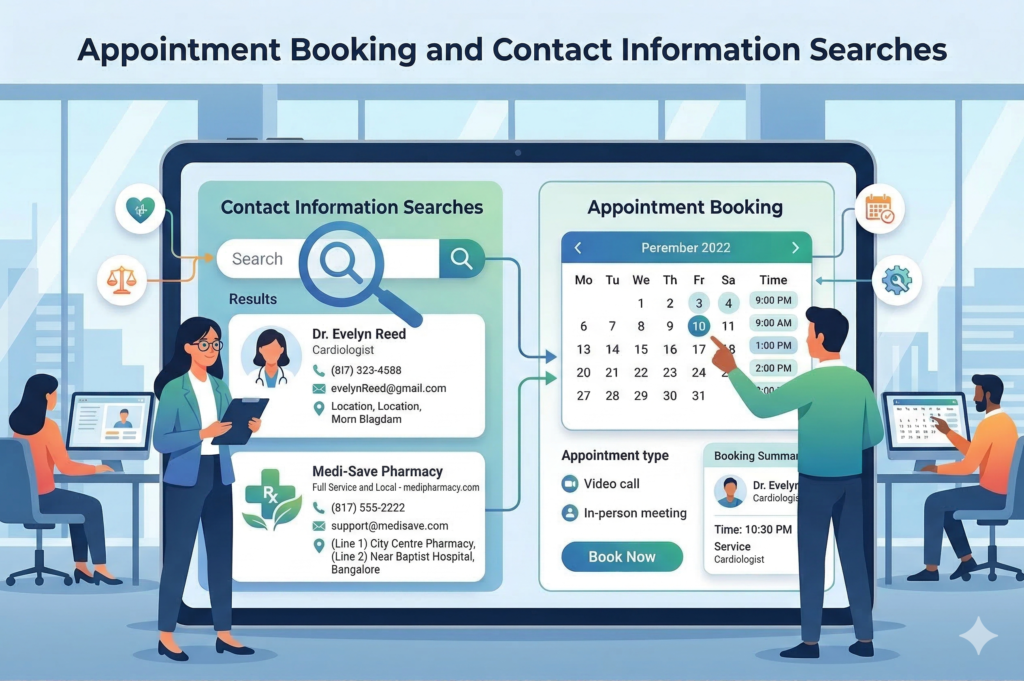
Appointment Booking and Contact Information Searches
Awareness and usage of online appointment booking vary substantially. More patients were aware that online appointment booking was available (45.11%) than had experience using it (15.61%). Patients with long-term conditions were more aware of and more likely to use online appointment booking. These patients described online booking as useful for routine nonurgent appointments.
Patients reporting their practice website being easy to use were far more likely to be aware of and use online appointment booking. A preferred GP was associated with somewhat higher awareness and use. In contrast, ease of getting through to a practice on the phone was associated with lower use and somewhat lower awareness. Patients who had ordered repeat prescriptions online were also more likely to be aware of and use online appointment booking than those who had not.
Medical Keyword Research Strategy Development
Building an effective medical keyword research strategy requires more than understanding how patients search. You need clear objectives, defined service offerings, and detailed knowledge of your local market. This strategic foundation determines which SEO keywords for medical clinics will drive patient appointments rather than just website visits.
Setting Clear Healthcare SEO Goals
Your practice needs measurable objectives before selecting keywords. Approximately 80% of US adults conducted a healthcare-related search in the last year. Yet, not all of this traffic translates to patient growth. Physicians typically want to educate patients about medical conditions and treatments, increase patient engagement and trust, or generate new patient inquiries and appointments.
Competitive positioning drives keyword strategy decisions. Your practice loses valuable growth opportunities if your main competitor appears in the first or second search results. At the same time, you don’t reach page one. Keyword research serves as an important part of building an effective healthcare digital marketing strategy that addresses these competitive gaps. With 77% of patients using search engines before booking appointments, your keyword choices affect patient acquisition rates directly. Specific goals help you prioritise keywords appropriately. Practices focused on patient education target informational keywords around conditions and treatments. Those prioritising new patient acquisition emphasise transactional keywords with local modifiers. Your goals determine whether you optimise for broad awareness terms or specific service queries that drive immediate appointments.

Identifying Your Practice Specialities and Services
Start by listing all services your practice offers, including various ways patients might describe them. A dermatologist might target both technical terms like “dermatitis treatment” and common phrases like “eczema relief”. This dual approach captures different patient search patterns. Long-tail keywords perform better when securing high search rankings despite lower search volumes. Instead of targeting just “paediatrician,” you might use phrases like “female paediatrician speaking Spanish in downtown Seattle” or “paediatrician accepting new patients with evening hours”. These specific phrases connect you with patients seeking exactly what your practice provides.
Keyword selection should pair terms describing your medical specialities with geographic identifiers. A primary care hospital in New York targets “best primary care physicians in New York,” “affordable New York general practitioner,” and “primary care doctor NYC”. Balance commercial keywords with informational terms like “what is a family medicine doctor” or “immunisation schedules for children” to capture patients at different research stages.
Understanding Your Local Market Demographics
Local search patterns vary substantially by community. Patients in one area might search for “Texas dentist” while neighbouring communities prefer “Highland Park dentist”. Understanding these regional preferences requires analysing local search behaviour and community language patterns. Geographic-specific searches dominate healthcare queries. Near me searches have grown by over 500% in recent years, and make local visibility critical for medical practices. Location-based keywords help search engines understand where your practice operates and connect you with nearby patients.
Your keyword research should reflect local demographics and search habits. Tools like SEMrush allow you to set regional filters and discover language specific to your area. Patients might search for “emergency dental services in Boca Raton” or “pediatric specialists in South Chicago” and reveal community-specific terminology. This geographic analysis surfaces local nuances that broader keyword research misses and ensures patients in your service area find you when they need care.
How Patients Search for Doctors Online
Patients guide themselves through multiple digital touchpoints when searching for healthcare providers. Each channel serves different purposes in its decision-making experience. You can optimise your presence where it matters most by understanding how patients search for doctors online across these platforms.
Review Sites and Rating Platforms
Healthcare review sites have altered provider selection. Approximately 84% of patients visit doctor review sites to assess healthcare providers. Google dominates this space. 63% of people read reviews on Google and 45% on Yelp. Healthgrades attracts more than 30 million visitors monthly and features over 9 million total reviews of healthcare providers. 46% of patients use online reviews to help choose their healthcare provider.
The platforms vary in their focus areas. Healthgrades compiles data from the government’s National Provider Identifier Registry and creates profiles for over 3 million healthcare providers. Vitals searches medical boards from all 50 states, federal websites and hospitals to provide specialities, awards and affiliations. WebMD reaches over 75 million consumers each month who can check and rate doctors based on their overall experience. RateMDs hosts more than 2.6 million ratings of medical professionals.
Google My Business and Local Pack Searches
Google Business Profile serves as your most powerful local visibility tool. The Local Pack ranks in the number one position in 93% of Google searches. Nearly half of local searchers click on these top three results. Your practice competes with hundreds of others for local online visibility, so an optimised Google Business Profile becomes essential.
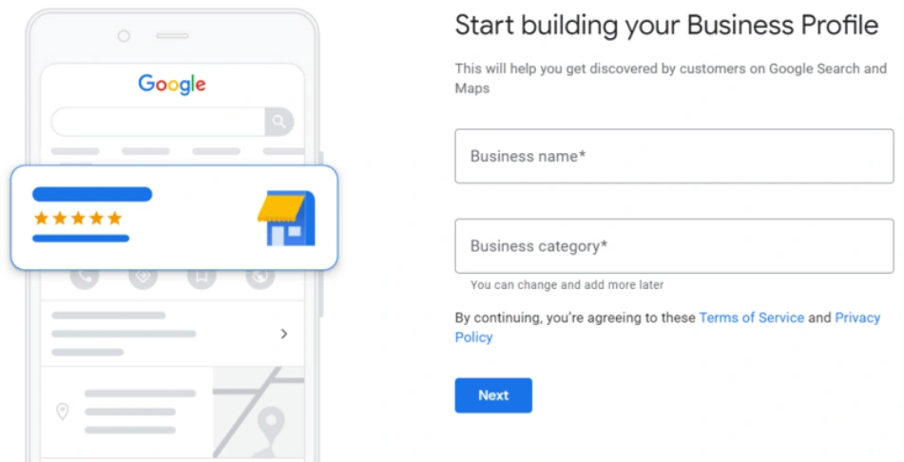
Your profile allows patients to access your practice information, service offerings, hours of operation and location details directly on Google Search and Maps. Google advises that businesses with complete and accurate information are more likely to match local searches. Patients can leave star ratings and detailed reviews. Businesses showing better reviews achieve higher local results. You gain access to tools for managing your online presence, responding to reviews, posting updates and viewing insights about how patients find and interact with your practice after verification.
Social Media and Community Recommendations
Social media platforms have become frequent sources for healthcare reviews. 26% of Gen Z and 22% of Millennials go to Facebook to find doctor reviews. Facebook has nearly 2 billion daily active users. One in three people already look for recommendations and reviews on this platform. Social media offers more than ratings. Medical professionals can curb misinformation while reaching audiences who might not have found them otherwise by sharing evidence-based, factual information. Trust forms before patients even walk through the door when they see a doctor as not just an expert but also a real person with values and experiences.
Insurance Provider Directory Searches
Many patients begin their provider search by checking their insurance company’s directory. Approximately 53% of patients say online insurance directories influence their doctor selection decision. Health insurance carriers negotiate with trusted providers and create networks where patients pay less for quality care. Insurance directories list in-network providers and make it easier for patients to narrow options. Patients further their research by learning about online reviews on platforms like Google Reviews and Healthgrades after identifying potential providers from their insurance directory. Positive reviews can sway decisions, especially when patients already know their insurance is accepted.
Direct Website Visits and Brand Searches
Branded keywords convert over two times higher than non-branded terms. Patients who search for your practice by name are already familiar with you. They are more likely to convert into appointments. Brand searches represent patients who seek your practice or providers, not just any provider in your speciality. Direct website traffic indicates established awareness and trust. Approximately 77% of patients search online for doctors either often or sometimes, and 75% of people look online to find a doctor. Building strong brand awareness will give patients a reason to remember your practice when health concerns arise.
SEO Keywords for Medical Clinics: Research Process
The keyword research process moves through systematic phases that transform general concepts into targeted search terms patients use. This methodical approach will give you both immediate booking opportunities and long-term patient education needs.
Starting with Broad Healthcare Topics
Conduct thorough research on common patients’ questions and concerns. Involve your current patients through surveys, feedback forms and direct conversations to learn about their needs. Online forums, social media groups and patient communities provide information on topics that matter most to your audience. To cite an instance, if you run a dental practice, start with broad terms like “dental care” or “dentist”.

Finding Specific Treatment and Service Keywords
Once you have broad topics, enter them into keyword research tools like Google Keyword Planner, SEMrush, Ahrefs and Ubersuggest. These tools generate related long-tail keywords such as “best dentist for kids in Boston” or “affordable teeth whitening in Los Angeles”. Focus on keywords with moderate search volume and low competition, as these represent the most promising targets. Location-based keywords like “physical therapy for sports injuries in San Francisco” or “rehabilitation centre near Golden Gate Park” attract patients who look for nearby services.
Using Patient Questions for Long-Tail Keywords
Patients’ questions are the foundations of effective long-tail keywords. Search intent falls into four types: informational, navigational, transactional and commercial investigation. Informational searches include queries like “symptoms of diabetes in children” or “how to treat migraines at home”. Transactional searches indicate readiness to act, such as “book a dermatologist appointment online” or “buy contact lenses near me”. Question-based keywords mirror how patients think and speak. They include phrases like “how to relieve back pain at home” or “what are the symptoms of food poisoning”.
Analysing Search Volume and Competition
Keyword search volume refers to the average number of times a keyword gets typed into search engines over a given period, usually a month. Focus on terms searched 10,000 to 100,000 times monthly with medium competition for broad keywords rather than 100,000 to 1 million times with high competition. Target ones searched 10 to 100 times monthly with low competition for long-tail keywords. Long-tail keywords garner less traffic than short-tail terms, but searches indicate users are closer to scheduling appointments.
Measuring and Optimising Your Keyword Performance
Keyword performance measurement transforms your medical keyword research strategy from guesswork into something useful. Google Search Console shows how your site performs in search and displays queries that brought visitors, along with overall visibility trends. Google Analytics 4 tracks organic traffic through Reports > Acquisition > Traffic acquisition and reveals how many visits come from search. Position tracking tools like Semrush monitor rankings for specific terms and provide AI-powered insights that estimate potential performance.
Tracking Keyword Rankings and Traffic
Rankings in the top three positions capture the bulk of clicks. Track your average position across target keywords and monitor differences between mobile and desktop rankings. Healthcare systems that embrace structured SEO efforts grow organic patient traffic two to three times within 12 months. Higher organic visibility means your practice appears for condition, treatment, and near-me queries that precede care decisions.

Monitoring Patient Conversion Rates
Organic search converts visitors to prospective patients at 2.4%, with 76.9% of prospects becoming actual patients. These rates outperform paid search (1.4% and 64.2%) along with other channels. Conversion tracking reveals whether patients move from educational content to provider listings and appointment scheduling flows.
Analysing Patient Engagement Metrics
Bounce rates between 50-70% are healthy for medical practice websites. Lower rates signal effective content that meets patient needs. Time on site, averaging two to three minutes, indicates proper engagement.
Refining Keywords Based on Performance Data
Patient acquisition costs drop when you earn traffic previously bought through ads. Retire underperforming content and double down on clusters that drive patient conversions. Adjust priorities quarterly based on what search engines and patients respond to, not assumptions.
Conclusion
Right now, you understand the fundamental truth about healthcare SEO keyword research: patients don’t think like doctors. They search using everyday language, ask questions driven by emotion, and seek trust signals before booking appointments. Therefore, your keyword strategy must bridge this gap between clinical terminology and patient vocabulary. Consistent tracking and optimisation separate successful practices from those that struggle with visibility. Monitor your rankings and analyse conversion rates. Refine your approach based on actual performance data rather than assumptions. Keyword research takes patience and strategic focus. Our healthcare marketing specialists build informed SEO strategies tailored for clinics, hospitals, and medical practices. Keep optimising your keywords and stay patient-focused. Your organic traffic will grow over time.
Key Takeaways
Understanding how patients search for medical services is crucial for healthcare practices to connect with potential patients online and drive meaningful appointments.
- Patients use everyday language, not medical jargon – 72% of internet users search for health information online. Still, they use terms like “red skin” instead of “erythematous” and “walking difficulties” rather than “ambulate.”
- Local search dominates healthcare queries – The Local Pack appears in 93% of Google searches, with “near me” searches growing over 500% in recent years, making local SEO critical for medical practices.
- 84% of patients read online reviews before choosing providers – Google Reviews and platforms like Healthgrades significantly influence patient decisions, with positive reviews increasing conversion rates by up to 20%.
- Long-tail keywords convert better than broad terms – Target specific phrases like “paediatrician accepting new patients with evening hours” rather than just “paediatrician” to capture patients ready to book appointments.
- Organic search converts at 2.4% with 76.9% becoming actual patients – This outperforms paid search (1.4% conversion) and other channels, making SEO a cost-effective patient acquisition strategy.
Healthcare practices that align their keyword strategy with actual patient search behaviour and maintain consistent optimisation see 2-3x growth in organic patient traffic within 12 months.
FAQs
Q1. How does SEO work specifically for healthcare and medical practices? Healthcare SEO optimises medical websites by tailoring content, site structure, and local listings to match how patients actually search for medical services. This includes using everyday patient language instead of medical jargon, optimising for local searches like “dermatologist near me,” and ensuring your practice appears prominently when potential patients look for healthcare providers or medical information online.
Q2. Why do patients use a different language from medical professionals when searching online? Patients search using everyday terms they understand rather than clinical terminology. For example, they’ll search for “red skin” instead of “erythematous” or “walking difficulties” rather than “ambulate.” Research shows that approximately 130 million Americans struggle with literacy, and 91% of patients prefer doctors who communicate without medical jargon, making it essential for healthcare websites to use accessible, patient-friendly language.
Q3. How important are online reviews for patients choosing healthcare providers? Online reviews are extremely influential in healthcare decisions, with 84% of patients visiting doctor review sites to evaluate providers. About 46% of patients use online reviews to help choose their healthcare provider, and 91% of people trust online reviews as much as personal recommendations. Positive reviews can increase patient confidence and improve conversion rates by up to 20%.
Q4. What types of keywords should medical practices target for better patient acquisition? Medical practices should focus on long-tail keywords that reflect specific patient needs, such as “paediatrician accepting new patients with evening hours” rather than just “paediatrician.” Combining medical specialities with geographic identifiers (like “best primary care physicians in New York”) and targeting question-based searches (like “how to relieve back pain at home”) helps capture patients at different stages of their healthcare journey.
Q5. How effective is organic search compared to paid advertising for healthcare practices? Organic search significantly outperforms paid advertising for healthcare, converting visitors to prospective patients at 2.4% compared to paid search’s 1.4%. Additionally, 76.9% of organic prospects become actual patients versus 64.2% from paid search. Healthcare practices that implement structured SEO strategies typically see organic patient traffic grow two to three times within 12 months, making it a highly cost-effective patient acquisition channel.