


Every minute, around 70,000 healthcare-related searches occur globally. So healthcare SEO backlinks have become crucial for medical practises competing for patient attention online. Sites with strong backlinks have a 50% higher chance of ranking on the first page of search results, and 77% of people use Google to find medical information. A detailed Healthcare Digital Marketing Agency approach combines quality link building with broader visibility strategies. This helps medical providers connect with patients seeking their services. This piece shows you how to build trusted medical backlinks that boost your authority and patient trust.
Key Takeaways
Healthcare SEO backlinks are critical for medical practises to build patient trust and search visibility in an increasingly competitive digital landscape.
- Quality trumps quantity – A few high-authority links from medical journals outperform hundreds of low-quality connections
- Focus on E-E-A-T signals – Healthcare content requires stronger proof of expertise, experience, authority, and trustworthiness
- Create link-worthy content – Original research, patient studies, and medical guides naturally attract citations from reputable sources
- Monitor your link profile regularly – 5-10% of backlinks disappear annually, requiring ongoing maintenance and quality audits
- Leverage professional networks – Medical associations and local citations provide highly authoritative linking opportunities
When executed properly, healthcare SEO backlinks function as digital referrals that boost both search rankings and patient confidence, creating a sustainable foundation for long-term practise growth.
What Are Healthcare Backlinks and Why They Matter

Understanding Medical Backlinks
A backlink represents a hyperlink from one website pointing to another. A medical journal, health news outlet, or hospital system website that links to your practise creates a digital endorsement. Search engines interpret these links as votes of confidence in your content’s value and accuracy. Healthcare backlinks differ from standard inbound links because they carry additional weight under stricter review standards. The internet allows rapid distribution of both valuable and misleading health information. So search engines apply more rigorous criteria when determining which medical websites deserve visibility. Your backlink profile becomes proof that authorities in the medical field recognise your expertise.
Quality backlinks from trusted sources such as medical blogs, news portals and professional directories signal that your site offers reliable information. These connections serve as bridges between your practise and patients who search for medical guidance. A well-laid-out backlink strategy positions your practise as both discoverable and dependable within the healthcare ecosystem. This is where a Healthcare Digital Marketing Agency approach becomes valuable for integrating link building with broader patient acquisition strategies.
How Search Engines Review Healthcare Content
Healthcare websites fall under Your Money Your Life (YMYL) classification, where content affects people’s health and safety. Search engines, therefore, require stronger proof of authority before ranking medical sites. Google reviews healthcare content through E-E-A-T signals: Expertise, Experience, Authority and Trustworthiness. Backlinks from reputable websites strengthen all three elements. Domain Authority plays a key role in this review process. This scoring system predicts how your site will rank in search engine results pages. A Domain Authority score of 20 and above provides a solid foundation, with these scores growing over time as you build quality connections. Trust Flow and Citation Flow metrics further indicate backlink quality, with ratios between 10 and 50 suggesting average trust levels.
Around 65% of people who seek health information online begin their search through popular search engines, whilst only 27% start at health-related websites. This behaviour pattern makes search engine rankings critical for patient discovery. Authoritative domains that link to your healthcare site signal to search engines that you matter within the medical field. Link authority receives weighting based on source relevance. A backlink from a hospital system or medical journal carries far more value than a generic directory link.
The Role of Backlinks in Patient Trust
Patients vet every search result when choosing medical care. Reputable platforms that mention your practise build confidence before someone contacts your office. A backlink from a trusted source acts like a digital referral and tells potential patients that other trusted entities vouch for your expertise. These trust signals affect patient decision-making patterns. People trust organic search results more than paid advertisements. Your practise that appears in top positions for queries like ‘best cardiologist near me’ benefits from the authority that search engine endorsement conveys. A clinic mentioned in respected platforms such as local news portals or medical associations appears more trustworthy than a provider with minimal digital presence.
Backlinks support both algorithmic trust and human perception. They increase patient confidence in your brand, highlight your experience and expertise, and strengthen your online reputation. A paediatrician who works together with a recognised parenting publication may see increased appointment inquiries due to the credibility that the backlink provides. This dual function makes healthcare SEO backlinks one of the most powerful tools for building medical authority that patients trust.
Building Trust Through Quality Healthcare Backlinks
Domain Authority in Medical SEO
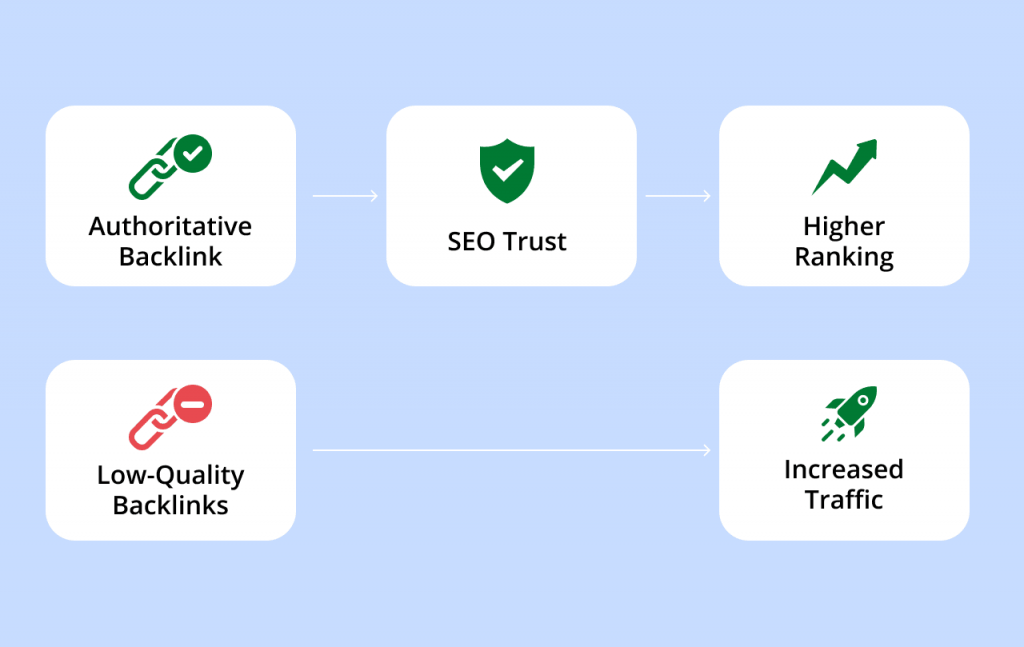
You need to understand how domain authority works within medical search rankings to build a strong foundation for healthcare SEO backlinks. Domain Rating operates on a scale from zero to one hundred. Higher scores indicate stronger and more authoritative websites. The calculation looks at both the quantity and quality of external backlinks pointing to your domain. It evaluates the authority of linking domains and how many unique domains each of those sites connects to.
Research studying 218,713 domains found that Domain Rating associates well with keyword rankings. The top-ranking page on Google maintains an average of 3.8 times more backlinks than positions two through ten. This correlation carries additional weight for healthcare websites because medical content undergoes stricter evaluation standards. Domain Authority works as a trust signal that supports better search visibility and higher click-through rates. It also drives stronger engagement for medical queries and condition-specific information.
Your domain authority proves valuable when compared to similar sites within the healthcare sector. A cardiology practise competing against other specialists in the same city needs comparable or higher authority scores to maintain competitive visibility. You’ll get better results by earning backlinks from strong pages on reputable medical sites than by pursuing authority scores as isolated goals.
Quality vs Quantity in Healthcare Link Building
The debate between backlink volume and value leans heavily towards quality within the medical field. A handful of high-authority links from trusted medical sources outperforms hundreds of low-quality connections from unrelated websites. Google prioritises relevance and credibility. Your medical link-building strategy must focus on securing links from reputable websites in the healthcare industry.
Prioritising quantity over quality creates serious consequences that damage both search performance and business outcomes. Websites face penalties from Google’s algorithms, particularly Penguin updates targeting manipulative link-building practises. These can result in ranking drops or complete removal from search results. Low-quality backlinks cause ranking drops, leading to 50-90% traffic losses and directly affecting lead generation and revenue as fewer potential patients find your practice through search engines. A detailed Healthcare Digital Marketing Agency strategy integrates quality link building with content marketing and patient engagement tactics. This establishes sustainable authority without risking penalties.
Measuring Backlink Strength for Medical Websites
Several metrics indicate whether a backlink delivers genuine value for your healthcare website. Domain Authority scores above 20 provide a solid starting point. These scores develop over time as older websites accumulate more authoritative connections. Trust Flow looks at website trustworthiness based purely on quality, whilst Citation Flow measures link popularity without quality factors. A healthy ratio aims for scores between 10 and 50.
Link placement and context matter when evaluating backlink quality. Contextual links embedded within the article body text carry more weight than footer, sidebar, or paid directory placements. The linking page’s own authority and traffic levels influence how much value transfers to your site. A backlink from a high-ranking, high-traffic medical article provides more SEO benefit than one from a barely-visited page.
Avoiding Low-Quality Links
Google often ignores low-quality links without affecting rankings. Still, certain backlink patterns tied to manipulative link building or obvious spam can trigger manual actions or weaken trust signals. Links got for artificial manipulation of search rankings constitute link spam. Purchasing backlinks from low-quality, spammy websites represents one of the quickest paths to Google penalties.
Link farms and Private Blog Networks exist solely to manipulate rankings through artificial connections between websites. Google actively penalises sites engaging in these black-hat SEO tactics. Links from irrelevant sources such as random lifestyle blogs, unrelated e-commerce sites, or low-quality content farms signal unnatural backlink profiles to search engines. Sites with zero organic traffic value, excessive outbound links, or lacking proper contact details should be avoided entirely.
Proven Strategies to Build Medical Authority
Creating Link-Worthy Healthcare Content
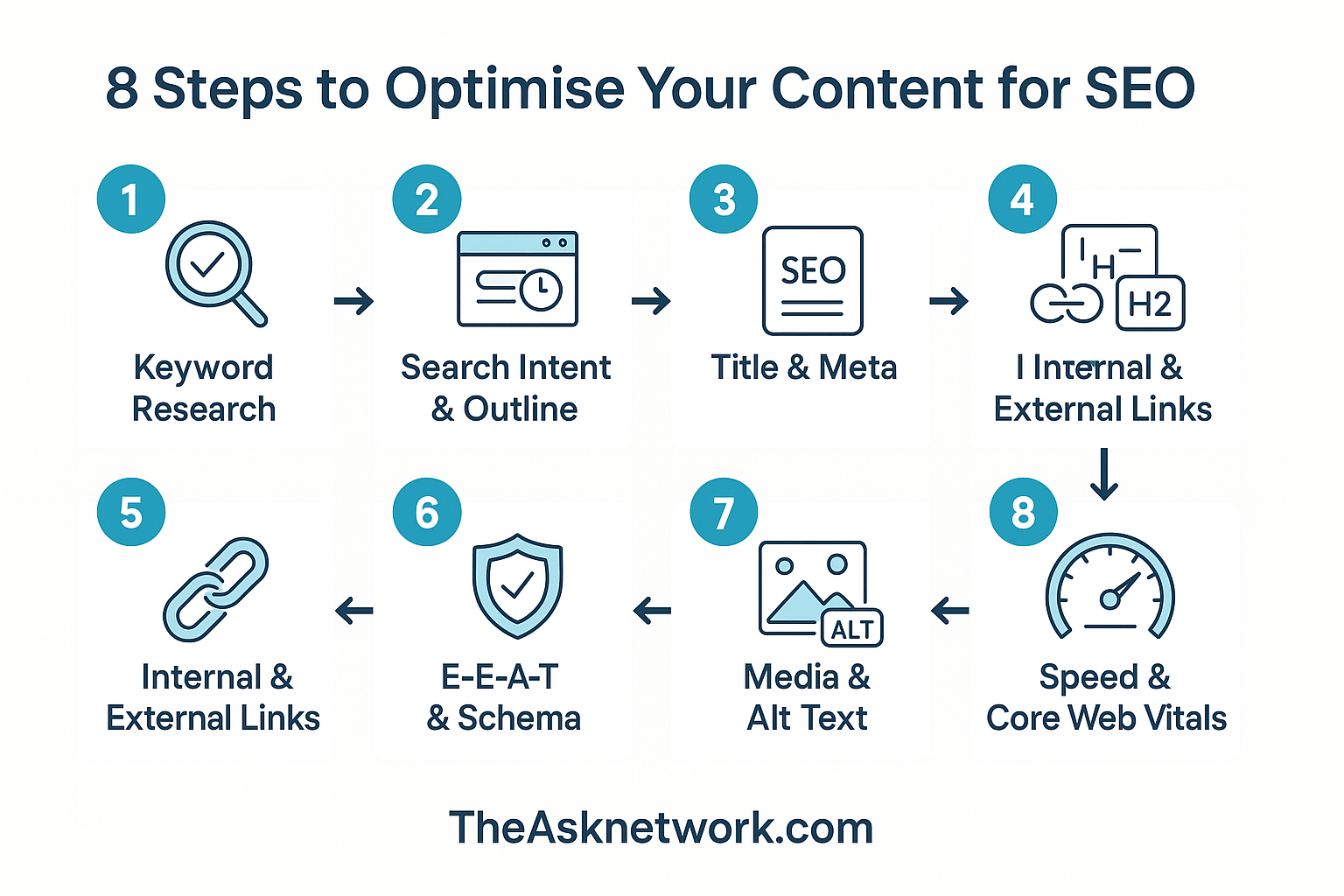
Quality content that attracts backlinks requires audience clarity, keyword arrangement, authoritative depth and format diversity. A single well-researched blog post on the human microbiome generated 712 backlinks from 173 domains, including HuffPost. Original research, patient outcome studies and treatment analyses position your organisation as an expert deserving citations. Healthcare statistics pages, in-depth guides, medical infographics, interactive tools and proprietary reports establish authority. They also provide data that journalists and researchers often reference. A Healthcare Digital Marketing Agency combines content creation with link-building strategies. This maximises visibility in patient acquisition channels of all types.
Guest Posting on Medical Publications
Guest posting places your expertise on platforms whose audiences overlap with yours. It serves dual purposes of backlink acquisition and authority positioning. Publishing on sites with high domain ratings whose audiences engage with health topics delivers value in both SEO and referral terms. Identify platforms matching your patient demographic or professional peer group. Develop clinically valuable content rather than promotional material and review submission guidelines. Promote published pieces through your channels. Reputable healthcare blogs, professional publications and technology platforms welcome guest contributions from clinicians and experts.
Healthcare PR and Media Outreach
Media relations enables health organisations to raise awareness, educate the public and generate coverage through press releases, media interviews, briefings, op-eds and story pitches. Platforms that connect your expertise with reporters seeking medical sources exist. Respond to journalists’ queries through them. This results in high-authority backlinks from major news outlets. Digital consumption rises while legacy platforms decline. Digital channels become priority targets for media strategies.
Local Healthcare Citation Building
Local citations act as trust signals. They prove your practise exists, operates and serves your stated location. Consistent listings across general directories, healthcare-specific platforms, local directories, professional associations and social profiles improve local search visibility. They also drive referral traffic from trusted sources. Name, address and phone consistency across 50-100 authoritative platforms delivers stronger results than chasing hundreds of low-value listings.
Making Use of Professional Networks
Medical associations represent highly authoritative linking sources. Complete member directory profiles with website links and display digital association badges with reciprocal connections. Submit articles to association newsletters and journals for backlinks through author bios and in-content citations.
Technical Factors in Healthcare SEO Backlinks
Technical execution determines whether your healthcare SEO backlinks deliver their full potential. Anchor text, link placement and internal structure require careful attention to maximise both search engine understanding and patient navigation.
Anchor Text Best Practises
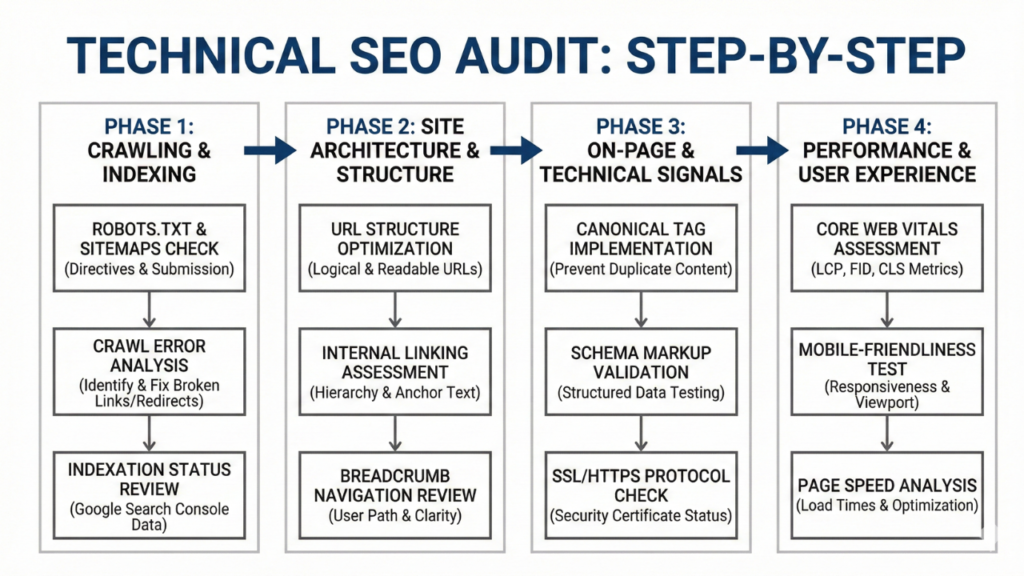
Anchor text functions as the clickable text in hyperlinks and provides context about the destination page. Keep your link text concise. Limit anchor text to five words or fewer. Brevity helps users identify where links lead them quickly. Descriptive anchor text indicates what you’re linking to and allows both users and search engines to predict content reasonably. Avoid vague phrases like “click here” or “read more”. Opt for meaningful keywords such as “paediatric cardiology services” or “diabetes treatment options.”
Vary your anchor text across backlinks to avoid over-optimisation penalties. Using identical keyword-rich anchor text repeatedly signals manipulative practises to Google. A natural anchor text profile has branded terms, partial match keywords, exact match phrases and contextual variations. Research examining major brands found that targeted anchor text has only 34.6% of links. A Healthcare Digital Marketing Agency approach that integrates technical anchor text optimisation with broader visibility strategies will give your medical practice sustainable authority without triggering algorithmic penalties.
Link Placement and Context
Contextual links embedded within article body content carry much more weight than footer, sidebar or directory placements. These in-text links appear more natural because they fit meaningfully within paragraphs, match the topic and provide genuine value to readers. Search engines prioritise contextual backlinks because editors and writers place them intentionally rather than through automated processes. Non-contextual links found in headers, footers and sidebars often repeat across multiple pages with lower topical connection.
Link placement affects both search engine evaluation and user experience. Links positioned higher on pages get visibility and crawl priority. The content surrounding your anchor text provides additional context and helps search engines interpret link relationships. The linking page’s own authority and traffic levels influence how much value transfers to your site.
Internal Linking for Medical Websites
Internal linking connects pages within your website and creates pathways that help both patients and search engines understand your site structure. These connections affect rankings and user experience. Search engines crawl websites by following links and use internal connections to understand which pages hold importance, how topics relate and how service ecosystems are structured.
Strategic internal linking helps Google recognise central pages. Google identifies that page as authoritative within your site when several blog posts link to your cardiology service page. This strengthens rankings over time. Internal links should exist throughout your website in navigation menus, contextual body links and footer structures. Contextual links within blog content prove most powerful when using descriptive anchor text, connecting to relevant service pages and strengthening topic clusters.
Every blog post should link to at least one relevant service page and connect education to conversion. Every service page should link to supporting blog posts and build topic clusters and authority. Avoid orphan pages. Ensure every page receives at least one internal link. Replace generic “click here” phrases with clear, meaningful link text.
Monitoring and Maintaining Your Medical Link Profile
A healthy backlink profile needs continuous attention rather than a one-time effort. Monitoring tools provide the visibility you need to protect your medical link-building strategy from erosion and penalties.
Tools for Tracking Healthcare Backlinks
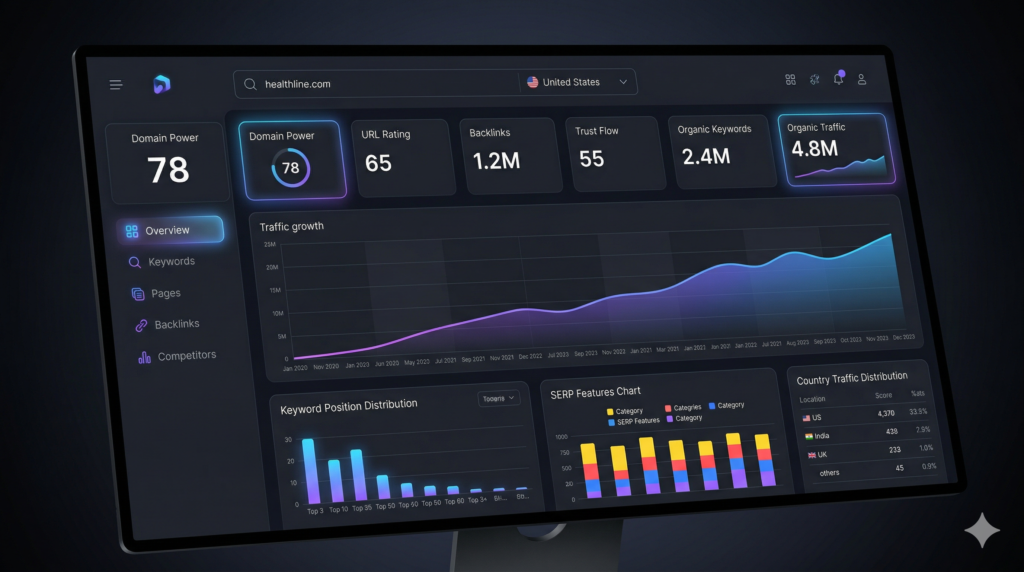
Several key metrics determine backlink strength. Domain Authority indicates linking source weight. Page Authority shows individual page strength, while Spam Score identifies risk levels and Referring Domains count reveals profile diversity. Tools like Ahrefs, SEMrush, Moz and Google Search Console track these elements completely. When you integrate backlink monitoring with broader patient acquisition efforts through a Healthcare Digital Marketing Agency approach, your medical practice will maintain sustainable authority and stay protected against ranking fluctuations that affect patient discovery.
Identifying and Removing Harmful Links
Regular audits identify harmful or low-quality backlinks that affect search ranking or credibility. Contact site owners and request link removal before you resort to disavowals. If removal proves impossible, assemble URLs or domains into a text file. Submit it through Google Search Console’s Disavow Tool. Use this advanced feature with caution, as incorrect implementation can harm search performance.
Ongoing Link Building Maintenance
Research suggests 5-10% of backlinks disappear annually due to page deletions, redesigns and domain expirations. Monitor links from domains with authority scores above 40 and connections to critical service pages as a priority. Conduct quarterly or biannual complete audits to maintain clean, relevant profiles in line with your healthcare marketing goals.
Conclusion
You now have a complete framework to build healthcare SEO backlinks that establish genuine medical authority. Quality connections from trusted sources, combined with consistent technical execution, create the foundation patients rely upon when choosing their healthcare providers. Building a strong backlink profile takes time and thoughtful effort. Earn links from reputable medical publications and create content that truly serves your patients. Keep your local citations accurate. Monitor your progress and adjust your strategy based on what delivers results regularly. Keep building those quality connections. Your practise will gain the visibility and trust needed to connect with patients actively seeking your expertise.
FAQs
Q1. What exactly are healthcare backlinks and why do they matter for medical practises? Healthcare backlinks are hyperlinks from other websites pointing to your medical practise’s site. They matter because search engines interpret these links as votes of confidence in your content’s accuracy and value. When reputable medical journals, health news outlets, or hospital systems link to your practise, it signals to both search engines and potential patients that your site offers reliable, trustworthy information. This is particularly important since healthcare websites fall under stricter evaluation standards due to their direct impact on people’s health and safety.
Q2. How many backlinks does a healthcare website need to rank well on Google? Quality matters far more than quantity for healthcare backlinks. Research shows that the top-ranking page on Google has an average of 3.8 times more backlinks than positions two through ten. However, a handful of high-authority links from trusted medical sources consistently outperform hundreds of low-quality connections. Rather than focusing on a specific number, aim for backlinks from reputable healthcare platforms, medical associations, and established health publications that demonstrate genuine authority in your field.
Q3. What’s the difference between Domain Authority and Trust Flow for medical websites? Domain Authority operates on a scale from zero to one hundred, measuring the overall strength of your website based on the quantity and quality of external backlinks. Trust Flow specifically examines website trustworthiness based purely on quality factors. A Domain Authority score of 20 and above provides a solid foundation for healthcare sites, whilst Trust Flow ratios between 10 and 50 indicate average trust levels. Both metrics work together to help you evaluate whether your backlink profile demonstrates the credibility patients and search engines expect from medical providers.
Q4. How can I tell if a backlink is actually helping or hurting my medical practise’s website? Evaluate backlinks based on several key factors: the linking site’s Domain Authority (preferably above 20), relevance to healthcare topics, placement within article body content rather than footers or sidebars, and the linking page’s own traffic levels. Avoid links from sites with zero organic traffic, excessive outbound links, or lacking basic trust signals like proper contact details. Links from irrelevant sources, link farms, or sites that exist solely to manipulate rankings can trigger penalties and should be removed or disavowed through Google Search Console.
Q5. What type of content attracts the most valuable backlinks for healthcare websites? Original research, patient outcome studies, comprehensive treatment guides, and healthcare statistics pages attract the most valuable backlinks. Content that provides unique data, in-depth analysis, or proprietary insights positions your organisation as a thought leader that journalists and researchers want to cite. For example, well-researched articles on medical topics, interactive health tools, and medical infographics establish authority while providing information that other reputable sites naturally reference. Focus on creating clinically valuable content rather than promotional material to earn links from high-authority medical publications and news outlets.